
Education is one of the most powerful tools for personal growth, social development, and economic progress. It is the foundation upon which individuals build their knowledge, skills, values, and confidence to navigate life successfully. From early childhood to higher education and lifelong learning, education shapes the way people think, communicate, and contribute to society. In today’s rapidly changing world, where technology and innovation continue to transform every industry, quality education has become more important than ever before.
What Is Education?
Education is the process of acquiring knowledge, skills, attitudes, and values through learning, teaching, training, and experience. It takes place in schools, colleges, universities, workplaces, and even at home. However, education is not limited to classrooms or textbooks. Every experience, challenge, and interaction provides an opportunity to learn something new
Modern education encourages critical thinking, creativity, problem-solving, collaboration, and communication. It helps individuals understand the world around them and prepares them to make informed decisions in both personal and professional life.
Why Education Matters
Education plays a crucial role in improving the quality of life. It empowers individuals by providing them with the knowledge and skills needed to achieve their goals and contribute positively to society. An educated population is better equipped to solve problems, drive innovation, and support economic growth.
One of the greatest benefits of education is that it creates opportunities. People with quality education often have access to better careers, higher incomes, and improved living standards. Education also helps reduce poverty by increasing employability and encouraging entrepreneurship.
Beyond financial benefits, education promotes confidence, independence, and self-awareness. It enables individuals to understand their rights, respect others, and participate actively in their communities.
The Different Levels of Education
Education is divided into several stages, each serving a unique purpose in a person’s development.
Early Childhood Education
Early childhood education lays the foundation for lifelong learning. During these formative years, children develop language skills, emotional intelligence, social abilities, and basic cognitive skills. A strong early education helps children succeed academically and socially throughout their lives.
Primary Education
Primary education introduces students to essential subjects such as mathematics, science, languages, and social studies. It also teaches discipline, teamwork, and communication skills while encouraging curiosity and creativity.
Secondary Education
Secondary education builds upon the knowledge gained during primary school. Students explore more advanced subjects while preparing for higher education or vocational training. This stage also helps young people discover their interests and career aspirations.
Higher Education
Colleges and universities provide specialized knowledge and professional training. Higher education enables students to pursue careers in medicine, engineering, business, law, technology, education, and countless other fields. It also encourages research, innovation, and critical thinking.
Lifelong Learning
Learning does not end after graduation. Lifelong learning has become essential in today’s fast-changing world. Professionals continuously update their skills through online courses, certifications, workshops, and practical experience to remain competitive in their careers.
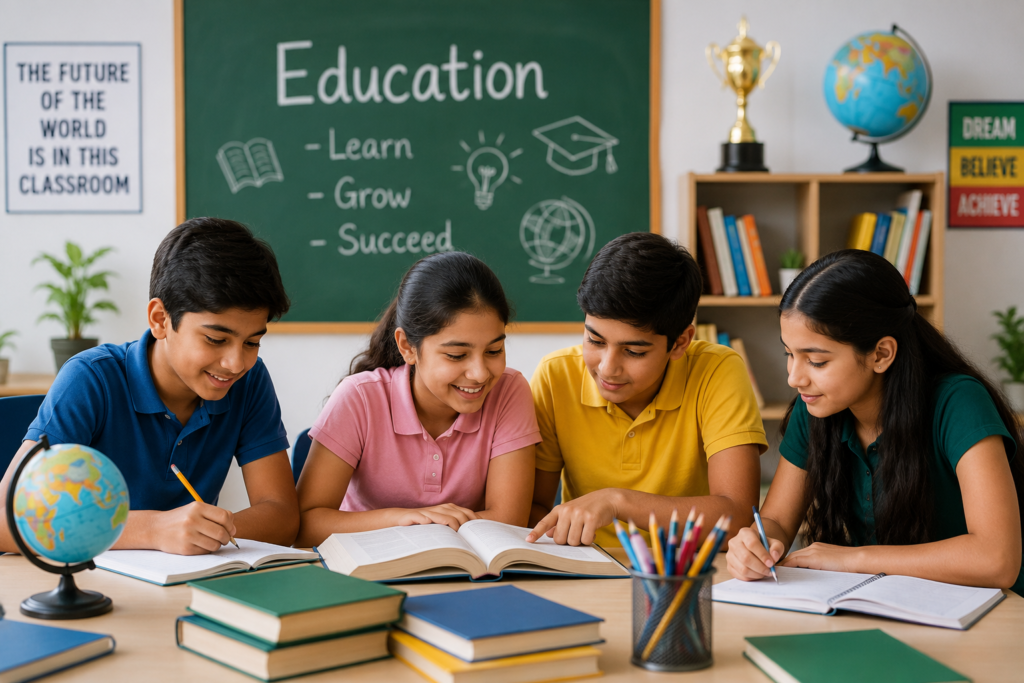
The Role of Technology in Education
Technology has transformed education in remarkable ways. Digital classrooms, online learning platforms, educational apps, and virtual collaboration tools have made learning more accessible than ever before. Students can now access educational resources from anywhere in the world using computers, tablets, or smartphones.
Online learning offers flexibility for students who wish to study at their own pace. Interactive videos, virtual simulations, and artificial intelligence-powered learning systems create engaging educational experiences. Teachers also benefit from technology by using digital tools to manage classrooms, assess student progress, and personalize learning.
However, technology should complement traditional teaching rather than replace it entirely. Human interaction, mentorship, and classroom discussions remain valuable components of effective education.
Challenges Facing Education Today
Despite significant progress, many educational systems continue to face challenges. Limited access to quality education, unequal learning opportunities, lack of trained teachers, outdated curricula, and insufficient educational resources remain major concerns in many parts of the world.
The digital divide is another challenge. While technology has expanded educational opportunities, not every student has access to reliable internet connections or digital devices. This inequality can limit learning opportunities for disadvantaged communities.
Student mental health has also become an important issue. Academic pressure, social expectations, and personal challenges can affect learning outcomes. Schools and educational institutions increasingly recognize the importance of providing emotional support alongside academic instruction.
The Importance of Teachers
Teachers are the heart of every educational system. They inspire curiosity, encourage creativity, and help students develop confidence in their abilities. Great teachers do more than deliver lessons—they mentor, motivate, and guide students toward achieving their full potential.
Effective teachers adapt their teaching methods to meet the needs of diverse learners. They create inclusive classrooms where every student feels respected, supported, and encouraged to participate. Continuous professional development also enables teachers to stay updated with new educational methods and technologies.
Education and Personal Development
Education shapes character as much as it builds knowledge. It teaches responsibility, discipline, patience, and perseverance. Students learn how to work with others, solve problems, communicate effectively, and manage their time.
Education also promotes critical thinking by encouraging learners to ask questions, analyze information, and evaluate different perspectives. These skills are essential for making informed decisions in both personal and professional life.
Furthermore, education helps individuals appreciate cultural diversity, respect different opinions, and develop empathy for others. These qualities contribute to peaceful and inclusive societies.
The Future of Education
The future of education will likely combine traditional classroom learning with advanced digital technologies. Artificial intelligence, virtual reality, personalized learning systems, and adaptive educational platforms are expected to make learning more interactive and efficient.
Future education will place greater emphasis on creativity, innovation, digital literacy, emotional intelligence, and lifelong learning. As industries continue to evolve, students will need flexible skills that allow them to adapt to changing careers and technologies.
Educational institutions will also focus more on practical learning, collaboration with industries, and project-based experiences that prepare students for real-world challenges.
Conclusion
Education is far more than a pathway to employment—it is the foundation of personal growth, social progress, and national development. It empowers individuals to achieve their dreams, improves communities, and drives innovation across every sector of society. By investing in quality education, supporting teachers, embracing technology responsibly, and ensuring equal learning opportunities for all, we create a brighter future for generations to come.
In a world that is constantly changing, education remains the key to unlocking human potential. Whether through formal schooling, online learning, vocational training, or lifelong education, every opportunity to learn is an investment in a better tomorrow. As the saying goes, education is not simply preparation for life—it is a lifelong journey that enriches individuals, strengthens societies, and shapes the future of our world.