
Lifestyle is more than the way we dress, the food we eat, or the places we visit. It is a reflection of our daily habits, choices, and mindset. A healthy lifestyle helps us feel better physically, mentally, and emotionally while improving our overall quality of life. In today’s fast-paced world, maintaining a balanced lifestyle has become more important than ever. Stress, unhealthy eating habits, lack of exercise, and excessive screen time can negatively affect our well-being.
Creating a positive lifestyle does not require making drastic changes overnight. Instead, it involves adopting small, consistent habits that support long-term health and happiness. Whether you want to improve your fitness, strengthen relationships, reduce stress, or achieve personal goals, your lifestyle choices play a vital role in shaping your future.
What Is a Lifestyle?
A lifestyle refers to the way a person lives their life. It includes daily routines, habits, behaviors, interests, and values. Your lifestyle influences your physical health, emotional well-being, financial stability, and social relationships.
Every individual has a unique lifestyle based on personal preferences, culture, environment, and life experiences. While some people prefer an active and adventurous lifestyle, others may enjoy a calm and simple routine. The key is to build a lifestyle that promotes happiness, health, and personal growth.
The Importance of a Healthy Lifestyle
Living a healthy lifestyle offers countless benefits that extend beyond physical fitness. It improves energy levels, boosts confidence, strengthens the immune system, and reduces the risk of chronic diseases such as diabetes, obesity, and heart disease.
A healthy lifestyle also enhances mental health by reducing stress, anxiety, and depression. People who maintain positive habits often experience better sleep, improved concentration, and greater emotional stability. Additionally, healthy individuals are more productive at work or school and enjoy a better overall quality of life.

Healthy Eating Habits
Nutrition is one of the most important aspects of a healthy lifestyle. The food we consume provides the energy and nutrients our bodies need to function properly. A balanced diet should include fruits, vegetables, whole grains, lean proteins, healthy fats, and plenty of water.
Limiting processed foods, sugary drinks, and excessive fast food can significantly improve health. Instead of following restrictive diets, focus on making sustainable food choices that nourish your body.
Simple healthy eating habits include:
- Eating fresh fruits and vegetables daily.
- Drinking at least eight glasses of water.
- Reducing sugar and processed foods.
- Choosing whole grains over refined grains.
- Controlling portion sizes.
- Eating meals at regular times.
Healthy eating is not about perfection but about making better choices consistently.
The Role of Physical Activity
Exercise is another essential component of a balanced lifestyle. Regular physical activity strengthens muscles and bones, improves heart health, increases flexibility, and helps maintain a healthy weight.
Exercise also releases endorphins, commonly known as “feel-good hormones,” which improve mood and reduce stress. You don’t need expensive gym memberships to stay active. Walking, jogging, cycling, swimming, yoga, or home workouts can all contribute to better health.
Experts recommend at least 150 minutes of moderate exercise each week. Even small daily activities such as taking the stairs or walking after meals can make a positive difference.
Mental Health Matters
A healthy lifestyle includes taking care of your mental and emotional well-being. Stress is a normal part of life, but chronic stress can negatively impact both physical and mental health.
Practicing mindfulness, meditation, deep breathing exercises, and gratitude can help reduce stress and improve emotional balance. Spending time with family and friends, enjoying hobbies, and taking regular breaks from work are equally important.
If feelings of anxiety, sadness, or emotional distress become overwhelming, seeking professional support is a positive and responsible step toward recovery.
The Importance of Quality Sleep
Sleep is often overlooked, yet it is one of the foundations of a healthy lifestyle. During sleep, the body repairs itself, strengthens the immune system, and restores energy levels.
Adults generally need seven to nine hours of quality sleep each night. Poor sleep can lead to fatigue, reduced concentration, weakened immunity, and increased stress.
To improve sleep quality:
- Maintain a regular sleep schedule.
- Avoid using electronic devices before bedtime.
- Keep your bedroom quiet and comfortable.
- Limit caffeine intake in the evening.
- Develop a relaxing bedtime routine.
Good sleep contributes significantly to overall health and daily productivity.
Building Positive Relationships
Healthy relationships are an important part of a fulfilling lifestyle. Family members, friends, colleagues, and communities provide emotional support, encouragement, and a sense of belonging.
Strong relationships improve mental health, reduce stress, and increase happiness. Building trust, communicating openly, showing kindness, and spending quality time together strengthen personal connections.
At the same time, it is important to set healthy boundaries and avoid toxic relationships that negatively affect your emotional well-being.
Managing Time Effectively
Time management helps create a balanced lifestyle by reducing stress and increasing productivity. Planning your day, setting priorities, and avoiding procrastination make it easier to achieve personal and professional goals.
Creating a daily routine allows time for work, exercise, family, relaxation, and personal development. Learning to say no to unnecessary commitments also helps maintain balance and prevent burnout.
Personal Growth and Lifelong Learning
A meaningful lifestyle includes continuous learning and self-improvement. Reading books, developing new skills, attending workshops, or learning online can expand knowledge and increase confidence.
Setting realistic goals provides direction and motivation. Celebrate small achievements and learn from setbacks instead of fearing failure. Personal growth is a lifelong journey that contributes to happiness and success.
Digital Balance
Technology has become an essential part of modern life, but excessive screen time can negatively impact health, productivity, and relationships.
Creating healthy digital habits is important. Consider limiting social media use, taking regular breaks from screens, and spending more time outdoors or engaging in offline activities.
Using technology wisely allows people to enjoy its benefits while protecting their mental and physical health.
Conclusion
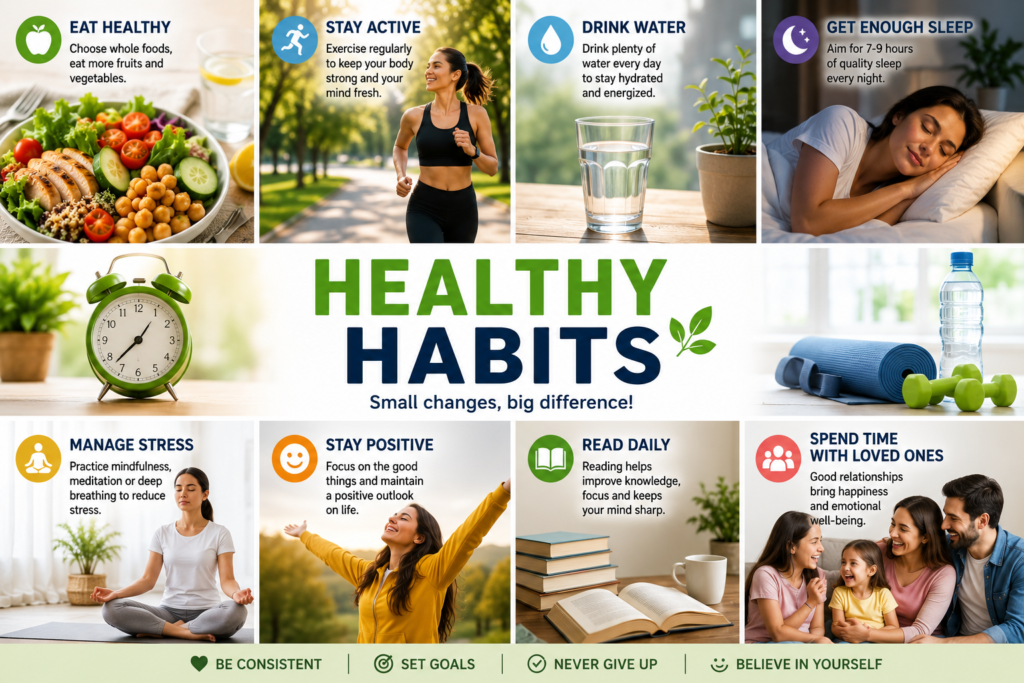
A healthy lifestyle is built on daily choices that support physical health, emotional well-being, and personal growth. Eating nutritious foods, exercising regularly, getting enough sleep, managing stress, maintaining meaningful relationships, and continuously learning all contribute to a happier and more balanced life.
Remember that lifestyle changes do not have to happen overnight. Small improvements made consistently can lead to significant long-term results. Every positive decision, no matter how small, brings you one step closer to a healthier, more fulfilling future.
Ultimately, the best lifestyle is one that reflects your values, supports your goals, and allows you to enjoy life while maintaining your overall well-being. By making mindful choices each day, you can create a life filled with health, happiness, purpose, and lasting success.