
Business finance is the backbone of every successful organization. Whether you are launching a startup, managing a small business, or running a large corporation, understanding how money flows through your business is essential. Business finance involves planning, managing, and controlling financial resources to ensure a company can achieve its goals while maintaining profitability and sustainability.
In today’s competitive business environment, financial management is no longer just about keeping records. It is about making informed decisions, minimizing risks, maximizing returns, and preparing for future growth. Companies with strong financial management are better equipped to adapt to changing market conditions, invest in new opportunities, and overcome economic challenges.
This blog explores the importance of business finance, its key components, common challenges, and practical strategies for improving financial performance.
What Is Business Finance?
Business finance refers to the process of managing a company’s financial resources. It includes raising capital, budgeting, forecasting, investing, monitoring cash flow, and analyzing financial performance. The ultimate goal is to ensure that the business has enough funds to operate efficiently while generating profits for its owners or shareholders.
Finance plays a critical role in every business decision, from purchasing equipment and hiring employees to launching new products and expanding into new markets.
Why Business Finance Is Important
Financial management is one of the most important aspects of running a successful business. Without proper financial planning, even profitable companies can struggle.
Some of the key benefits of effective business finance include:
- Better decision-making through accurate financial data.
- Improved cash flow management.
- Increased profitability.
- Better control over business expenses.
- Easier access to loans and investors.
- Long-term business stability.
- Greater confidence in planning future growth.
Businesses that understand their financial position can respond quickly to opportunities and challenges.
Key Components of Business Finance
1. Budgeting
A budget is a financial plan that estimates future income and expenses. It helps businesses allocate resources efficiently and avoid unnecessary spending.
A well-prepared budget allows business owners to:
- Track expenses.
- Set financial goals.
- Monitor business performance.
- Identify areas for cost savings.
Regularly reviewing the budget helps businesses stay on track and make adjustments when needed.
2. Cash Flow Management
Cash flow refers to the movement of money into and out of a business. Positive cash flow means more money is coming in than going out, allowing the company to pay bills, salaries, suppliers, and other operating costs.
Poor cash flow management is one of the leading causes of business failure. Companies should monitor cash flow regularly, collect customer payments promptly, and manage expenses carefully.
3. Financial Planning
Financial planning involves setting both short-term and long-term financial goals. It helps businesses prepare for future investments, emergencies, expansion, and economic downturns.
A financial plan typically includes:
- Revenue projections
- Expense forecasts
- Investment plans
- Debt management
- Risk assessment
Strong financial planning creates stability and supports sustainable growth.
4. Investment Decisions
Businesses often invest in new equipment, technology, marketing campaigns, or expansion projects. Every investment should be evaluated based on its expected return and potential risks.
Good investment decisions increase productivity, improve customer satisfaction, and strengthen competitive advantage.
5. Financial Reporting
Financial reports provide valuable insights into a company’s performance.
The three major financial statements include:
- Income Statement: Shows revenue, expenses, and profit.
- Balance Sheet: Displays assets, liabilities, and owner’s equity.
- Cash Flow Statement: Tracks cash entering and leaving the business.
These reports help managers, investors, lenders, and stakeholders evaluate financial health.

Sources of Business Finance
Businesses require capital to start operations and support growth. Common sources of finance include:
Personal Savings
Many entrepreneurs use their own savings to launch a business. This option avoids debt but may limit available capital.
Bank Loans
Banks provide loans that businesses repay with interest over a specified period. Loans are commonly used for expansion, equipment purchases, or working capital.
Investors
Angel investors and venture capital firms provide funding in exchange for ownership shares or equity in the business.
Government Grants
Some governments offer grants and financial assistance programs to encourage entrepreneurship and innovation.
Business Revenue
Successful companies often reinvest their profits into the business to support future growth.
Common Financial Challenges
Many businesses face financial difficulties during different stages of growth. Some common challenges include:
Poor Cash Flow
Delayed customer payments and unexpected expenses can create cash shortages.
High Operating Costs
Increasing rent, wages, utilities, and material costs reduce profitability if not managed effectively.
Excessive Debt
Borrowing too much money can increase interest expenses and create financial pressure.
Weak Financial Planning
Without proper forecasting and budgeting, businesses may overspend or underestimate future expenses.
Economic Uncertainty
Inflation, changing customer demand, and market instability can affect sales and profits.
Tips for Managing Business Finances Successfully
Effective financial management requires discipline and continuous monitoring. Here are several practical tips:
Track Every Expense
Recording all business expenses helps identify unnecessary spending and improves budgeting accuracy.
Separate Personal and Business Finances
Maintaining separate bank accounts simplifies accounting and improves financial transparency.
Create Emergency Funds
Unexpected events can disrupt business operations. An emergency reserve provides financial security during difficult periods.
Monitor Financial Reports Regularly
Reviewing financial statements monthly helps identify trends, opportunities, and potential problems early.
Reduce Unnecessary Costs
Evaluate recurring expenses and eliminate services or subscriptions that no longer provide value.
Invest in Technology
Modern accounting software automates bookkeeping, generates reports, and improves financial accuracy.
Seek Professional Advice
Accountants and financial advisors can provide valuable guidance on taxes, investments, budgeting, and compliance.
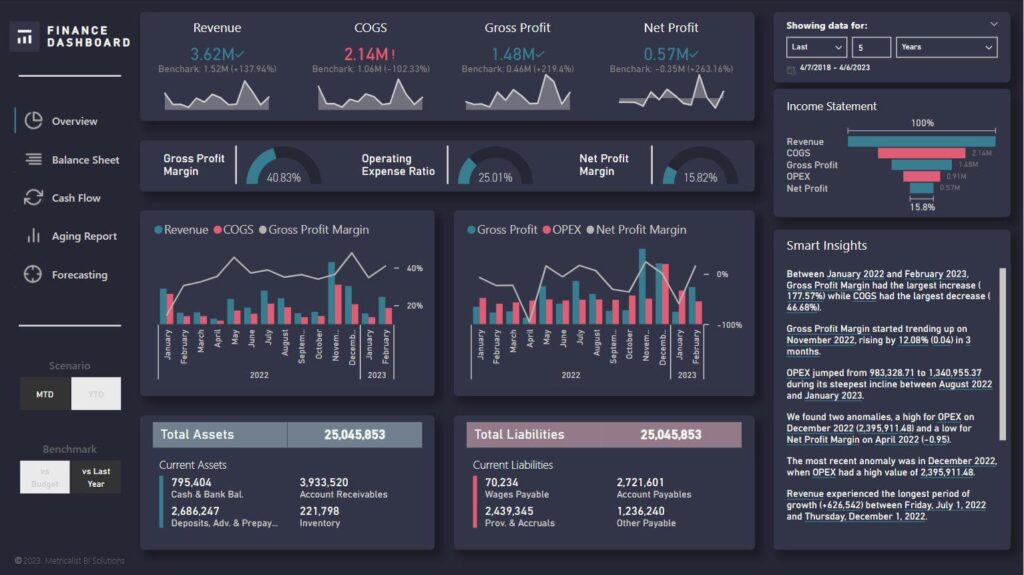
The Role of Technology in Business Finance
Technology has transformed financial management for businesses of all sizes.
Cloud-based accounting software allows businesses to:
- Track expenses in real time.
- Generate financial reports instantly.
- Automate invoicing.
- Manage payroll efficiently.
- Monitor cash flow.
- Improve financial forecasting.
Artificial intelligence and data analytics are also helping businesses make smarter financial decisions by identifying trends, predicting future performance, and reducing manual work.
Future Trends in Business Finance
The financial landscape continues to evolve rapidly. Some important trends include:
- Digital payment systems.
- Artificial intelligence in financial analysis.
- Blockchain technology for secure transactions.
- Automated accounting solutions.
- Sustainable and environmentally responsible investing.
- Data-driven financial forecasting.
Businesses that embrace these innovations will be better positioned for future success.
Conclusion
Business finance is far more than managing money—it is the foundation of every successful organization. Effective financial management enables businesses to make informed decisions, maintain healthy cash flow, invest in growth opportunities, and overcome economic challenges. From budgeting and financial planning to investment decisions and technology adoption, every aspect of finance contributes to long-term business success.
Whether you are an entrepreneur starting your first business or an experienced manager leading an established company, developing strong financial knowledge is one of the best investments you can make. By planning carefully, monitoring performance consistently, and adapting to changing market conditions, businesses can achieve sustainable growth, improve profitability, and build a secure financial future.